

The bottlenecks we've already eliminated
Each study names the workflow, the system we built, and the numbers it moved. Find the operation that looks like yours.
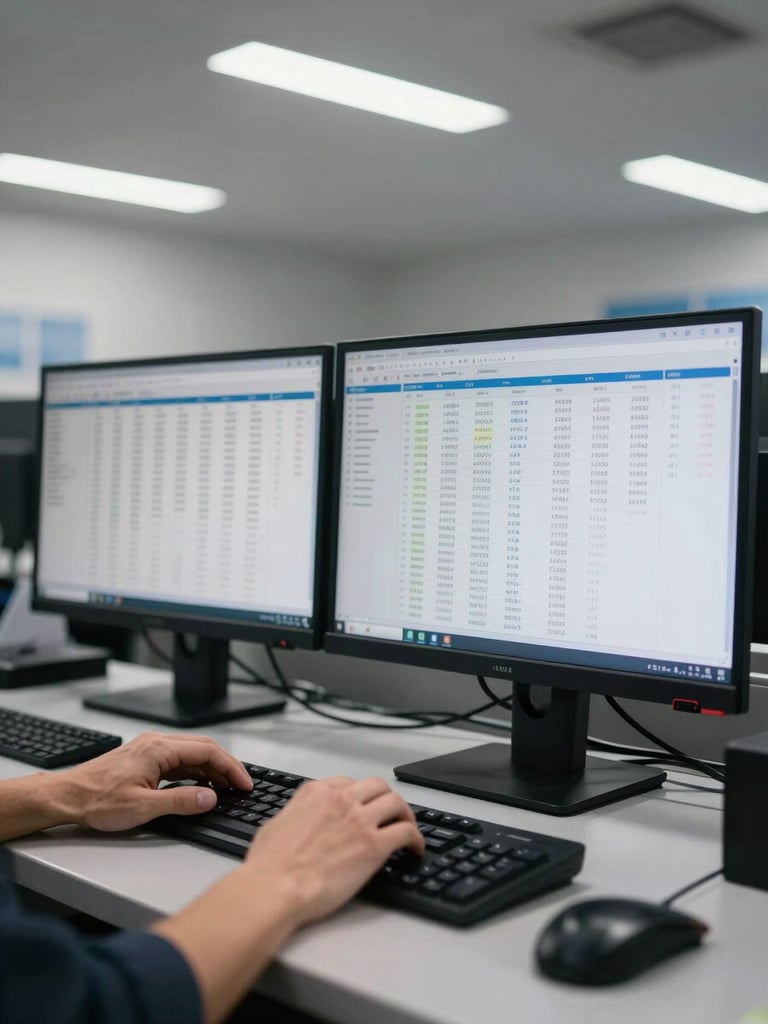
Manual order routing consumed 40 hours a week
We built a workflow automation layer that triages, routes, and flags exceptions without a human in the loop. Order processing time dropped from 48 hours to under 3.
40 hrs/week recovered. Error rate down 91%. Team redeployed to customer escalations.
Lead follow-up fell through the cracks daily
Appointment scheduling required three staff members
An AI-driven lead pipeline now qualifies, scores, and sequences follow-ups automatically. The sales team closes; the system handles the first four touchpoints.
A trained AI chatbot now handles booking, rescheduling, and intake forms across WhatsApp and the clinic website. Staff answer clinical questions, not calendar queries.
3x pipeline velocity. 68% reduction in cold leads slipping. Live in 7 weeks.
2.5 FTE reallocated. No-show rate cut by 44%. Deployed in 6 weeks.
Reporting took a full day every week — then stopped being done
We connected five data sources into an automated reporting pipeline. Ops managers receive a consolidated dashboard every Monday at 7 AM — built on their actual KPIs, not a template.
8 hrs/week recovered per manager. Decision lag dropped from 5 days to same-day. Zero manual data pulls since go-live.
Numbers from live systems, not projections
91%
6–8 wks
200+
4 sectors
Retail, professional services, healthcare, and logistics — different workflows, same build method.
Average error rate reduction across automated workflow deployments.
Median time from scoping call to a working automation system in production.
Staff hours recovered per month on average across client operations teams.
Seen a problem that looks like yours?
Bring us the specific task your team repeats every week. We'll scope a system against it — no generic discovery deck, no long roadmap.
CORE AI Tech Solutions
“Powering real-time intelligence for business growth”
Pages
Home
About
Services
Case Studies
Industries
Pricing
Reach Us
hello@coreaitechsolutions.com
+63 9171894910
Alabang, Muntinlupa City, Philippines
Response within one business day
(C) 2025 CORE AI Tech Solutions Corporation. All rights reserved.